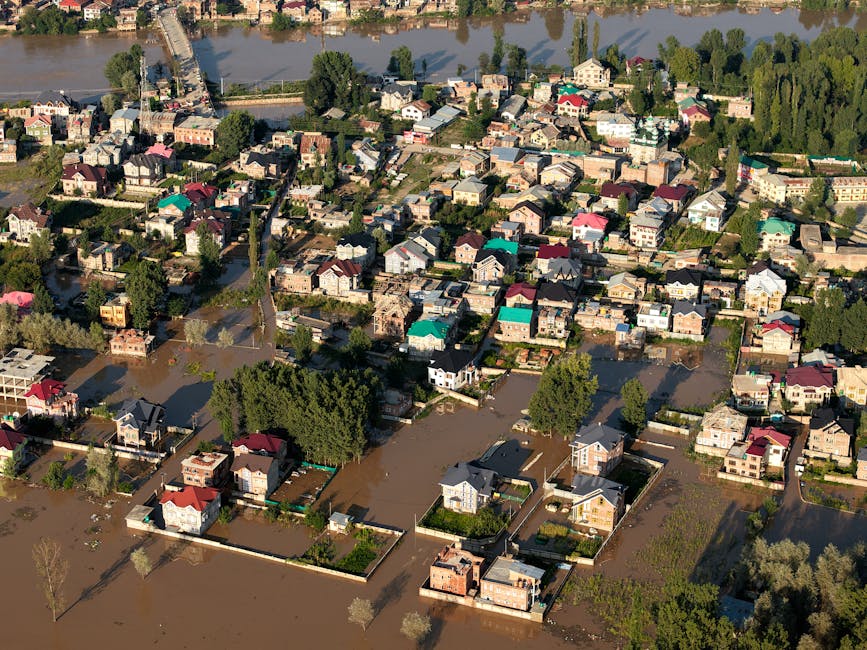
Emergency flood cleaning Kingston how fast will we arrive
Posted on 26/06/2026
If you are standing in a wet hallway at 7:15 in the morning, hearing water creep under skirting boards, you do not need a long essay. You need a straight answer: Emergency flood cleaning Kingston how fast will we arrive, what happens next, and whether your home or business can be protected before the damage spreads. Truth be told, speed matters enormously in flood situations. The first hour can change the outcome, especially for carpets, underlay, furniture, plaster, and anything electrical nearby.
This guide explains the practical response time you can usually expect, what affects arrival speed in Kingston, how emergency flood cleaning works, and what you should do before the team gets there. It is written for real people dealing with a real mess. No fluff. Just the stuff that helps when the floor is sloshing under your socks.
One small note before we begin: every flood is different. A response that takes one hour in central Kingston might take longer on a busy afternoon or during heavy rain. That is normal. The point is to understand the process so you know what "fast" actually means in practice.

Why Emergency flood cleaning Kingston how fast will we arrive Matters
Floodwater is not just a wet floor. It is a chain reaction. Moisture moves fast into carpet backing, laminate joins, MDF furniture, timber edges, wall linings, and even hidden voids. In a few hours, you can go from a manageable clean-up to a much bigger job involving drying equipment, disinfection, and possible removal of damaged materials.
That is why response time matters so much. A rapid visit can help limit secondary damage, reduce odour, lower the risk of staining, and prevent a simple leak from turning into a lengthy restoration project. In practice, "how fast will we arrive" is really a question about how quickly the situation can be stabilised.
Kingston properties vary quite a bit. You may have period homes near the town centre, flats with basement access issues, commercial units, or busy family houses with carpets, rugs and soft furnishings everywhere. Some properties are easy to reach; others are a bit awkward, especially when parking, stair access, or building entry codes slow things down. That is why honest arrival estimates matter more than flashy promises.
If your flood has affected carpeted areas, you may also want to understand what happens to soft floor coverings after water exposure. Our carpet cleaning Kingston page explains how carpet condition, fibre type, and saturation level affect the recovery process.
Expert summary: The best emergency flood cleaning is the one that arrives quickly, assesses the water correctly, and starts mitigation before moisture spreads into hidden materials. Speed is useful, but correct action is what really saves the day.
How Emergency flood cleaning Kingston how fast will we arrive Works
The process usually starts with a call or online enquiry. You explain what happened, where the water is, whether it is clean, grey, or possibly contaminated, and how much of the property is affected. From there, a good team will usually ask a few calm but specific questions. That is not fussiness. It is how they decide what equipment to bring and how urgent the response needs to be.
Once the booking is confirmed, the team heads out with the right kit. In a proper emergency response, arrival is only the beginning. The first site visit is about inspection, containment, extraction, and planning the dry-out. If needed, the team may move light items, assess the safety of the area, and begin water removal straight away.
What happens next often depends on the source of the flood:
- Clean water from a burst pipe or appliance overflow may be stabilised quickly if acted on early.
- Grey water from washing machines or similar sources can need more careful cleaning and hygiene treatment.
- Contaminated water from sewage or external flooding needs greater caution and stronger safety controls.
In many cases, the first on-site job is to stop the spread. That might mean extracting standing water, lifting saturated carpet where needed, setting up air movers or dehumidifiers, and protecting nearby rooms. The aim is simple: reduce moisture, reduce risk, and keep the property from getting worse while drying begins.
If the flood affects soft furnishings, it can help to understand the knock-on effects. For example, upholstered items often absorb moisture more slowly than they look from the outside, which is why our upholstery cleaning Kingston page is useful for understanding how fabric furniture is assessed after water exposure.
And yes, sometimes the first five minutes on arrival are a bit chaotic. Shoes off, towels down, sockets checked, somebody trying to find a stop tap. It happens. A good team keeps the situation moving without adding drama.
Key Benefits and Practical Advantages
Fast emergency flood cleaning does more than make the room look better. It gives you options. Once materials stay wet for too long, options shrink. That is the part people often forget until they smell the damp the next day.
- Less structural damage: quicker extraction can protect flooring, plaster, joinery, and subfloor layers.
- Reduced odour: standing water and trapped moisture are what create that sour, heavy smell no one wants in the morning.
- Lower risk of mould growth: drying promptly is one of the most important practical steps.
- Better furniture recovery: chairs, sofas, and loose items are more likely to be salvageable when treated early.
- Less disruption: for homes, tenants, offices and shops, a fast response usually means less downtime.
There is also a psychological benefit, which is not trivial. Once someone arrives, assesses the damage, and starts working, the situation feels manageable again. You can think clearly. That matters more than people admit.
For landlords and people between tenancies, speed can be especially important. Water damage can delay move-ins, inspections, or handovers. If your situation overlaps with a changeover, it may be worth looking at end of tenancy cleaning Kingston as part of restoring the property to a usable condition.
Commercial properties feel the pressure differently. A flooded shop entrance or office carpet is not just inconvenient; it affects trading, staff movement, and customer confidence. If your issue is work-related, our office cleaning Kingston page shows how larger working environments are typically maintained once the immediate emergency has passed.
Who This Is For and When It Makes Sense
Emergency flood cleaning is not only for dramatic disasters. It is for the smaller, annoying, surprisingly expensive incidents too. A washer pipe bursts. A radiator valve leaks. A blocked drain overflows. Rainwater slips in through a compromised basement entrance. The carpet feels wrong underfoot. The smell starts before the stain appears. That sort of thing.
You may need fast flood cleaning if you are:
- a homeowner dealing with an appliance leak or burst pipe
- a tenant worried about carpet saturation after water ingress
- a landlord who needs to protect the property before further occupation
- a shop owner with water coming in at the entrance or stock room
- an office manager trying to keep staff areas safe and usable
- someone with basement or ground-floor access issues, which can make water travel oddly through a property
The service makes sense when the water is more than a small surface spill and especially when it has reached underlay, skirting, furniture bases, or wall edges. If you are debating whether it is "serious enough," a sensible rule is this: if you cannot dry it fully with towels and ventilation in a short time, it probably deserves professional attention.
If your property has tricky lower-level access, the article access issues for basement cleaning Kingston is a helpful companion read, because basement floods often involve awkward entry points and delayed drying. A bit of awkwardness, a lot of water. Not a fun combination.
Step-by-Step Guidance
Here is the practical sequence you can expect, from the moment you make contact to the point where drying is underway.
- Report the problem clearly. Explain where the flood is, how much water there is, and what caused it if you know. A simple description is fine.
- Ask about arrival expectations. You want a realistic estimate, not a vague promise. If the team is already on another job or dealing with peak traffic, say so up front.
- Make the area safer. If it is safe to do so, switch off electricity to affected zones and keep people, pets, and valuables away from standing water.
- Protect anything movable. Shift dry items out of the wet area. A chair, rug, or box of papers in the wrong place can worsen the damage.
- Allow the team to assess the source. Good flood cleaning starts with identifying whether water is clean, grey, or contaminated. That affects methods and safety controls.
- Extraction begins. Standing water is removed using suitable equipment, followed by deeper moisture control.
- Drying and monitoring are set up. Airflow and dehumidification help remove moisture that is trapped below the surface.
- Follow-up advice is given. You should receive guidance on what to keep off the floor, when to ventilate, and what signs to watch for over the next day or two.
During this process, you may also need to think about other surfaces. A wet sofa in the corner can become a separate issue from a soaked hallway carpet. That is why some customers prefer to coordinate flood recovery with wider domestic care, such as domestic cleaning Kingston or house cleaning Kingston once the urgent moisture is under control.
Be honest about the scale. If the kitchen floor looks damp but the underlay is soaked, those are two very different situations. A quick glance can be misleading. Flood damage likes to hide under the surface. Sneaky little thing.
Expert Tips for Better Results
The fastest response is not always the best response if it is rushed or poorly briefed. A few sensible habits can make a real difference.
- Call as soon as you notice water. Waiting to see if it "dries naturally" often makes things worse.
- Describe the water source accurately. A burst pipe is not the same as external floodwater, and treatment should not be the same either.
- Photograph the damage before moving too much. This can help with records, insurance conversations, and simple memory later. Flood days get messy. Very messy.
- Keep people out of wet electrical areas. Safety first, even if you are in a hurry.
- Open windows only when appropriate. Ventilation helps in some situations, but it is not a substitute for proper extraction and drying equipment.
- Ask what drying method is being used. A professional should be able to explain it in plain English.
- Check hidden spaces. Under beds, behind furniture, and along skirting boards are common places where moisture lingers.
One useful habit is to think in terms of layers. Surface water is one layer, absorbed moisture is another, and hidden moisture under flooring or within walls is the layer that causes trouble later. If you focus only on what you can see, you can miss the bigger problem.
For more context on how service bookings and expectations can go wrong when customers are in a rush, the article on same-day carpet cleaning Kingston delays and hidden charges offers a useful reminder: speed is valuable, but clarity matters just as much.

Common Mistakes to Avoid
Flood clean-ups often go sideways because people act quickly but not necessarily wisely. That is understandable. Nobody is at their best while water is moving through the house.
- Using a household vacuum on standing water. That is dangerous and usually not suitable.
- Leaving soaked carpet in place for too long. If the material is heavily saturated, delay can make recovery harder.
- Ignoring the underlay. It is often the hidden part that holds the smell and moisture.
- Turning on heating too aggressively. Heat alone does not solve water damage and can sometimes make things more uncomfortable without drying the deeper layers properly.
- Moving furniture without thinking. Heavy items can damage wet floors or trap moisture underneath if placed badly.
- Assuming the room is safe because the surface looks better. Dry on top does not always mean dry underneath.
Another common mistake is not asking how quickly the team can actually arrive. If you need urgent help, say so directly. If the reply is "we can be there today but not in ten minutes," that may still be very good service depending on traffic and workload. Be fair about it. Kingston is not a toy town, and emergency crews still have to get through real roads.
Also, do not be embarrassed about asking practical questions. A decent provider expects them. In fact, they should welcome them.
Tools, Resources and Recommendations
Professional flood cleaning usually involves a combination of extraction and drying equipment, selected according to the type and depth of water. The exact kit will vary, but the main ideas are easy enough to understand.
| Tool or method | What it does | Best for |
|---|---|---|
| Water extraction equipment | Removes standing water from floors and carpets | Visible pooling and heavy saturation |
| Air movers | Pushes airflow across wet surfaces to speed evaporation | Carpets, floors, edges, and furniture zones |
| Dehumidifiers | Removes moisture from the air so the room dries more effectively | Rooms with trapped damp air or limited ventilation |
| Moisture meters | Helps check whether materials are still holding water | Monitoring drying progress and hidden damp |
| Protective equipment | Helps keep workers and occupants safe from contaminated water | Any grey or contaminated flood situation |
As a homeowner or manager, your main job is not to own the kit. Your job is to help the response go smoothly. Clear access, accurate information, and fast decisions are the biggest "resources" you control in the first hour. That sounds simple, but it really matters.
If you are checking a provider's background before booking, it can also help to read about the company itself and its standards. Our about us page gives a sense of the wider business, while the insurance and safety information is useful for understanding how risk is handled. Those details are not glamorous, but they are exactly what you want to know when a room is flooded.
For anyone comparing broader services after an emergency, the services overview can help you see how flood cleaning fits into the bigger picture of property care. Sometimes the flood is only the first problem. The rest turns up later, as these things do.
Law, Compliance, Standards and Best Practice
Flood cleaning is practical work, but it still sits inside a wider framework of safety, property care, and responsible handling of potentially contaminated water. In the UK, a professional approach should respect health and safety principles, sensible waste handling, and the duty to protect occupants and workers from avoidable risk.
That means a few things in plain language:
- Electrical safety comes first if water has reached sockets, appliances, or wiring zones.
- Contaminated water needs careful handling and should not be treated like ordinary clean water.
- PPE and hygiene controls are important where floodwater may carry dirt or biological contamination.
- Documentation helps if the incident is being assessed for insurance or landlord records.
- Property managers should act quickly to reduce further damage and keep the building safe for occupants.
Best practice is not about sounding official. It is about doing the sensible thing early, and doing it thoroughly. If you are uncertain whether water is clean or contaminated, the cautious assumption is usually the right one.
For readers who manage lease transitions or property occupancy, good records matter too. The related pages on end of tenancy cleaning Kingston and complaints procedure may also be useful when responsibility, timing, or property condition becomes part of the conversation.
Options, Methods, or Comparison Table
Not every flood needs the same response. Here is a simple comparison that shows how the approach changes depending on the situation.
| Situation | Likely priority | Typical response style | What to watch for |
|---|---|---|---|
| Small clean-water leak | Containment and fast drying | Extraction, airflow, monitoring | Hidden moisture in underlay or skirting |
| Washing machine overflow | Cleaning and deodorising | Extraction plus hygiene treatment | Odour and damp remaining under flooring |
| Basement water ingress | Access, extraction, longer drying | Equipment setup and follow-up checks | Repeated damp or restricted ventilation |
| Commercial entrance flood | Safety and fast reopening | Rapid assessment and targeted drying | Trip hazards and customer disruption |
So which option is "best"? The honest answer is: the one matched to the cause and scale of the water. That sounds obvious, but it is where many rushed decisions go wrong. People want the fastest possible fix, and fair enough, but the fastest fix is not always the smartest one.
Case Study or Real-World Example
Picture a Kingston home on a wet weekday afternoon. A pipe under the sink starts leaking slowly, then suddenly gives way more than expected. By the time the homeowner notices, water has spread into the kitchen edge, through the hallway, and under a rug near the door. Not a full disaster, but enough to make the floor feel soft and cold.
The first reaction is panic, then cleanup, then confusion. Towels get thrown down. Someone moves the bin. Someone else wonders if the carpet is ruined. It is very normal. What matters is the next ten minutes.
In a good response, the property owner calls for help immediately, explains that the issue appears to be a clean-water leak, and keeps people off the affected floor. The team arrives, checks the source, extracts the water, protects the nearby room edges, and starts drying. The hallway may still need follow-up, but the damage stays contained. Without that quick action, the water would have had far longer to soak into the underlay and edge boards.
This kind of scenario comes up often enough that the difference between a same-day visit and a delayed one can be dramatic. It is not about perfection. It is about limiting the mess before the mess becomes a project.
Practical Checklist
Use this checklist if you are dealing with emergency flooding in Kingston and need to move quickly but calmly.
- Identify where the water is coming from, if you can do so safely.
- Turn off electricity to affected zones if there is any chance of contact with water.
- Keep children, pets, and vulnerable people away from the area.
- Move dry belongings out of the wet zone.
- Take a few photos before you disturb the room too much.
- Call for emergency flood cleaning and explain the situation clearly.
- Ask for a realistic arrival estimate rather than a vague promise.
- Confirm whether the water is likely to be clean, grey, or contaminated.
- Do not use unsafe electrical cleaning methods on standing water.
- Follow the drying advice carefully once the team arrives.
If the property is also used for events, short-term stays, or public footfall, the timing gets even tighter. In those cases, a broader cleanup plan may be useful alongside the urgent flood response. You can see how this kind of planning matters in our article on post-event cleaning in Kingston, where quick turnaround and sensible sequencing make all the difference.
Get a free quote today and see how much you can save.
Conclusion
When people search Emergency flood cleaning Kingston how fast will we arrive, they are usually not being casual. They are trying to protect a property, save time, and stop a bad situation from getting worse. That is exactly how you should think about it too.
The fastest helpful response is one that reaches you soon, assesses the water honestly, and gets straight to stabilising the room. Arrival time matters. So does the quality of the response once the team is there. In flood work, the first decisions are often the ones that save the most damage.
If you are currently dealing with standing water, keep it simple: make the area safe, document what you can, and ask for a realistic response time. Then let the specialists do what they do best. A calm, quick start can change the whole outcome, honestly.
And if tonight is one of those awkward, damp, noisy ones where the dehumidifier hums in the background and the kettle never quite gets cold, at least you will know the next step is clear.