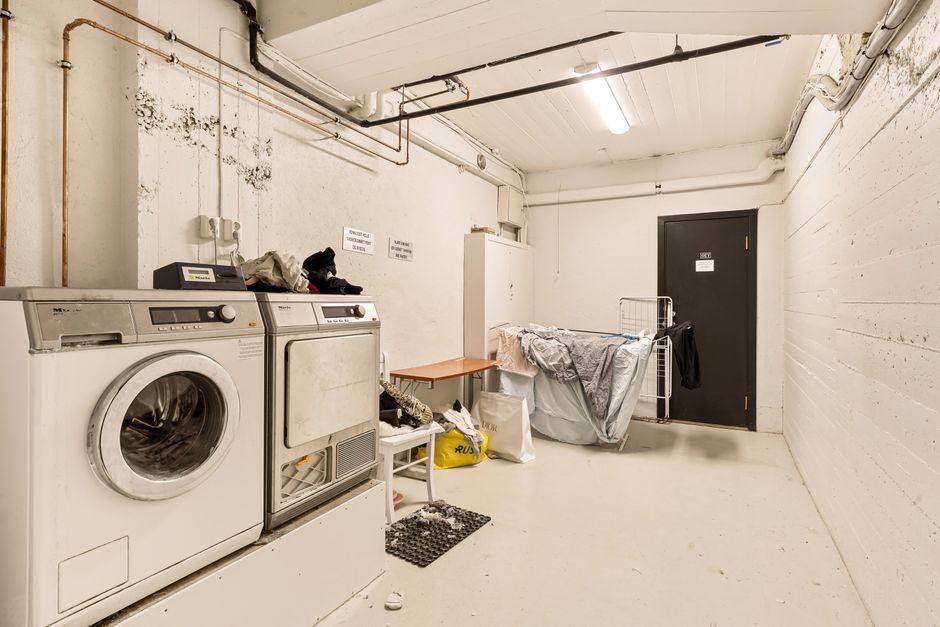
Access issues for basement cleaning Kingston what to know
Posted on 10/06/2026
Access issues for basement cleaning Kingston: what to know before the job starts
If you are planning basement cleaning in Kingston, access can make the difference between a smooth visit and a frustrating one. Narrow staircases, low ceilings, awkward parking, shared entrances, damp flooring, and heavy equipment all change how the work is planned. That is really the heart of Access issues for basement cleaning Kingston what to know: it is less about the cleaning itself and more about making sure the team can actually reach the space safely, efficiently, and without surprises.
In practice, a basement clean can be straightforward if the route in is clear. But when the stairs are tight, the entrance is at the rear of the property, or the building has limited parking and no lift, the job needs a bit more thought. This guide walks through the practical side of it all, so you know what to check, what to tell the cleaner, and where delays usually come from. No drama. Just the stuff that saves time, money, and a few headaches.
Why access issues for basement cleaning Kingston what to know matters
Basements are not like standard ground-floor rooms. Access can be awkward, the layout can be tight, and conditions are often less forgiving. A cleaner may need to carry vacuum cleaners, extraction machines, hoses, buckets, extension leads, stair tools, and protective gear in and out of the space. If the route is too narrow or poorly lit, even a short job becomes slower and more physically demanding.
That matters for three reasons. First, it affects safety. Wet stairs, poor lighting, blocked landings, or loose handrails can create avoidable risks. Second, it affects time. If equipment must be carried one piece at a time through a side passage or down a steep staircase, the visit simply takes longer. Third, it affects results. A cleaner rushing because access is awkward is not ideal for anyone.
In Kingston, the issue often comes down to the type of property. Older homes, converted terraces, riverside buildings, and mixed-use spaces can all have very different entry points. Some have basement spaces that are easy enough to reach but annoying to manoeuvre in. Others look simple from the outside and then, once you get inside, the route down is a squeeze. Happens more often than people think.
If you are also arranging other services at the property, access planning becomes even more important. For broader preparation and service coordination, it can help to review the services overview so you understand how different cleaning jobs are usually scoped. If the basement is part of a larger home, the guidance in domestic cleaning Kingston is also useful when thinking about timing, room priority, and access around occupied spaces.
Practical takeaway: the cleaner is not just cleaning the basement; they are also navigating the route to it. That route deserves proper planning.
How access issues for basement cleaning Kingston what to know works
Most basement cleaning jobs are planned around a simple question: how will the team get in, work safely, and get equipment back out without disruption? Once that is clear, the rest becomes much easier.
A good provider will usually ask a few sensible questions before arrival:
- Is the basement entered from inside the property or externally?
- How many steps are there, and are they steep or narrow?
- Is there enough room to turn equipment at the bottom of the stairs?
- Can parking be arranged close to the entrance?
- Are there any security gates, locks, or shared building rules?
- Is there flooding, damp, or standing water to consider?
That information helps the team decide what to bring, how many people are needed, and how long the job will realistically take. It may also affect whether some items can be cleaned on-site or need to be moved. To be fair, this is where a lot of misunderstandings start: a customer assumes the basement is "just downstairs," while the cleaner is picturing a narrow Victorian staircase with no landing and a carpet machine that weighs more than expected.
There is also a practical difference between access to the property and access within the basement. A front door might be easy to reach, but the basement door itself could be behind a boiler, down a split-level stair, or tucked under storage. Clearing that route beforehand makes a much bigger difference than people expect.
If access is likely to be tricky, it can be worth speaking with the team before booking and comparing it with any pricing notes. The page on pricing and quotes is a useful reference for understanding how jobs are usually assessed. And because basement work often involves more movement and carrying, the company's insurance and safety information is also worth reading. Boring? Maybe a little. Useful? Absolutely.
Key benefits and practical advantages
Planning access properly is not just about avoiding inconvenience. It improves the whole job from start to finish.
- Better efficiency: the team can get equipment in and out faster, which often means less disruption for you.
- Safer working conditions: fewer trips on stairs, fewer heavy lifts, and fewer chances of slips or scrapes.
- More accurate pricing: when access is clear from the start, estimates are less likely to change later.
- Cleaner results: more time can be spent actually cleaning instead of working around the building.
- Less stress on the day: nobody likes a last-minute scramble to unlock a gate or move half a hallway's worth of storage.
There is another benefit people overlook: better communication. A property owner who explains access clearly tends to get a more realistic service plan. That helps the cleaner prepare, and it also helps you decide whether the job is best done in one visit or split into stages.
For landlords and tenants, this matters even more. If you are arranging cleaning between occupancies, the basement may contain boxes, old furniture, or leftover items that make access harder than it should be. In those cases, checking end of tenancy cleaning Kingston can help you understand how access and clearance fit into move-out cleaning expectations.
And if the basement belongs to a home that is being prepared for sale or rental, you might also find the broader Kingston housing context in the Kingston real estate buying guide helpful, especially if you are weighing what improvements or deep-cleaning tasks matter most before viewings.
Who this is for and when it makes sense
This topic is relevant to more people than you might think. Basement access issues do not only affect big commercial premises or old houses with quirky staircases. They show up in flats, converted buildings, shared houses, rental properties, storage basements, and even smaller office units.
You will want to think carefully about access if you are:
- a homeowner with a basement utility room, living space, or storage area
- a landlord preparing a property for new tenants
- a tenant dealing with a damp or dusty lower-level room
- a building manager responsible for shared entry routes
- a business owner with a basement storage area or staff room
- someone organising domestic cleaning around a partially finished basement
It also makes sense to think ahead when the property is in a busy part of Kingston, where parking, loading, and timing can become part of the problem. A clean job plan does not need to be complicated, but it does need to be realistic. If the basement is below a busy retail unit or mixed-use property, the schedule may need to avoid peak footfall or loading restrictions. That is especially true for businesses considering broader property maintenance alongside a regular cleaning plan, and the office cleaning Kingston page is useful background if you are comparing how access affects workplace cleaning versus domestic cleaning.
Truth be told, the people who benefit most are usually the ones who ask a few awkward questions early. Where do the hoses go? Can a machine fit down the stairwell? Is there somewhere to park without blocking a neighbour? Small questions, big difference.
Step-by-step guidance
If you want to avoid access problems on the day, this is the simplest way to prepare.
- Map the route in. Walk from the street or parking space to the basement and notice any tight turns, low ceilings, steps, or doors that open awkwardly.
- Measure the narrow points. You do not need engineering precision. Just enough to know whether standard cleaning equipment will fit comfortably.
- Clear the path. Remove boxes, shoes, bins, bikes, and loose storage from the stairs and landing.
- Check lighting. Basement steps are not the place for a dim bulb that flickers like it has given up on life.
- Confirm parking and entry details. Make sure the cleaner knows where to stop, which entrance to use, and how to gain access.
- Flag hazards early. Wet patches, mould, loose tiles, exposed wires, or damaged steps should be mentioned before the appointment.
- Set expectations on timing. If the route is awkward, build in extra time so nobody has to rush.
A useful habit is to send photos. Not dramatic photos, just practical ones: the stairs, the basement door, the landing, the parking situation. A couple of phone pictures can tell a cleaner more than a paragraph of explanation. And yes, this often saves a second call later. Nobody wants that awkward "can you just describe the staircase again?" conversation halfway through the morning.
If you are unsure how the job will fit into your wider cleaning needs, the general guidance in carpet cleaning Kingston may help because basement carpets, rugs, and floor coverings often need separate handling from the rest of the room. For households comparing routine help with deeper work, house cleaning Kingston can also give a sense of how room access affects service planning across the home.
Expert tips for better results
Small decisions make a bigger difference than most people think. Here are the things that tend to matter most in real jobs.
- Leave doors unblocked before arrival. It sounds obvious, but basement doors often become storage shelves by accident.
- Keep pets, children, and household traffic away from the route. The cleaner needs predictable movement, especially on stairs.
- Label anything fragile or valuable. If there are glass items, documents, or electrical equipment in the basement, make that clear.
- Use a dry walk-through first. If the basement is damp or has recently been cleaned by another method, check that the floor is safe to walk on.
- Be honest about awkward access. This is not the time to minimise the problem. If the staircase is tight, say so.
- Ask whether extra manpower is needed. For heavy equipment or difficult entry, two people may be more practical than one.
There is a lot to be said for calm planning. A cleaner who arrives knowing the stairs are steep and the turn is tight can bring the right gear and move more carefully. That alone reduces mistakes. It also means the final result is usually better, because energy is spent on cleaning, not wrestling with access.
If you are dealing with odours, damp-related build-up, or a room that has not been used in ages, it can help to check adjacent services as well. The upholstery cleaning Kingston page is relevant if the basement contains soft furnishings that need separate attention, and the broader maintenance angle in domestic cleaning Kingston may help if the space is part of a larger household clean.
Common mistakes to avoid
Most access problems are preventable. The trouble is, people often spot them too late.
- Assuming "basement" means "easy to reach." Not always. Some basements are simple; others are a logistical puzzle.
- Forgetting to mention stairs or side entrances. This is one of the biggest causes of delay.
- Leaving storage in the access route. Even one narrow corridor can slow everything down.
- Not checking parking restrictions. A cleaner circling the block is nobody's idea of a good start.
- Ignoring damp or water damage. Safety comes first, and wet access routes need extra care.
- Booking without considering building rules. Shared entrances, concierge access, and resident permissions can all affect the visit.
A smaller but annoying mistake is not checking the finish time. If the basement is used during the day, you may need the work done before guests, tenants, staff, or family members start moving through the space. That is where access planning becomes part of the whole-day schedule rather than just a cleaning detail.
And one more thing: if the basement is crowded with items you plan to move later, move them earlier. "We'll just shift it on the day" sounds convenient until everyone is standing around a box of Christmas decorations and an old vacuum cleaner. It happens.
Tools, resources and recommendations
You do not need specialist equipment just to prepare for a basement clean, but a few simple tools help a lot.
- Phone camera: useful for photographing stair widths, landings, entrances, and any hazards.
- Measuring tape: handy if you want to check whether machines can turn corners or pass through a doorway.
- Good lighting: a torch or bright portable light can make a real difference in darker lower-level spaces.
- Storage boxes: helpful for clearing access routes quickly.
- Protective mats or old towels: useful if foot traffic might track dirt through a narrow basement approach.
From a planning point of view, the most useful resource is often a well-prepared job brief. That might be a short message with the property address, access instructions, parking notes, stair details, and any issues with damp or security. Simple. Clear. Hard to misunderstand.
If you are comparing service standards or trying to understand the company's approach to site care, the information on health and safety policy is worth a look. For customers who want to understand how bookings are handled and what to expect if something changes on the day, terms and conditions and payment and security give helpful context without the usual fluff.
Law, compliance, standards, or best practice
Basement cleaning access is not usually about one single law or a niche regulation. It is more about working to accepted UK best practice for safety, care, and clear communication. The sensible standard is straightforward: the route should be safe, the person doing the work should not be put at unnecessary risk, and the customer should be honest about known hazards before the visit.
In practical terms, that means looking out for:
- safe stair use and stable handrails
- clear access routes with minimal trip hazards
- dry or controlled surfaces where possible
- reasonable lifting arrangements for heavier equipment
- clear agreement on who can unlock, open, or secure the property
If the basement is in a rental or shared building, there may also be building rules or landlord expectations around access times, keys, visitor entry, and responsibility for communal areas. These are not always written into a neat checklist, which is part of the fun, apparently. Still, it is worth checking early so the cleaning visit does not get stuck at a locked gate.
The safest approach is to be cautious rather than optimistic. If a stairwell is too cramped for large equipment, say so. If the floor may be wet, mention it. If there is a known issue with mould, damp, or poor ventilation, make that part of the booking notes. That is the kind of care that protects both people and property.
Options, methods, or comparison table
Not every basement access problem needs the same solution. Some are simple to manage with preparation, while others need a change in method or more labour.
| Access situation | Best approach | What to watch for |
|---|---|---|
| Internal staircase with good width | Standard cleaning plan | Check for slippery steps and low lighting |
| Narrow or steep basement stairs | Extra setup time and careful equipment choice | Turning space, handrail condition, lifting safety |
| External rear access | Plan route, keys, and parking in advance | Security, weather exposure, muddy paths |
| Shared building entrance | Confirm access permissions and timings | Residents, concierge rules, door codes |
| Damp or partially flooded basement | Pause and assess before starting | Slip risk, electrical safety, damage to materials |
The table is not meant to overcomplicate things. It just shows that access is rarely one-size-fits-all. A basement clean in a modern home is a different experience from a clean in a converted property near Kingston town centre. If you want to understand the wider local context a bit more, the article is Kingston a good fit? hear from the community gives a feel for the area and the kinds of homes people live in.
Case study or real-world example
Here is a typical scenario, not a dramatic one, just the kind that comes up often. A homeowner wants a basement cleaned after months of storage and damp dust build-up. The entrance is via a narrow internal staircase, the landing at the top is crowded with furniture, and the driveway is tight enough that parking needs a bit of thought.
On the first visit, the cleaner is told only that the basement is "downstairs." Fair enough, but not very useful. When they arrive, they find two boxed-up shelves, a bicycle, and a hallway cabinet narrowing the route. The job still gets done, but the setup takes longer, and one section has to be approached carefully because the stair turn is tighter than expected.
On a better-planned version of the same job, the customer sends photos in advance, clears the landing, and confirms where equipment can be unloaded. The cleaner arrives prepared, starts sooner, and spends more time on actual cleaning. The difference is not dramatic on paper, but in real life it feels huge. Less faff, better flow, fewer chances for something to get knocked or scratched.
If that basement is part of a rental handover, a pre-sale refresh, or a recurring maintenance clean, the coordination can matter just as much as the cleaning itself. For people managing properties or weighing future investment choices in the area, the Kingston real estate investment guide offers a useful reminder that practical upkeep supports longer-term property value and tenant appeal.
Practical checklist
Use this before the appointment. It saves time, honestly.
- Confirm the basement entrance and route in
- Check stairs for width, steepness, and handrails
- Clear boxes, shoes, tools, and loose items from the path
- Make sure the landing and doorway can be used safely
- Send photos of any awkward corners or access points
- Tell the cleaner about damp, mould, leaks, or slippery spots
- Arrange parking or loading space if needed
- Confirm keys, codes, or building entry instructions
- Protect fragile items nearby
- Allow extra time if the basement is hard to reach
If you are using the basement as part of a larger cleaning project, it can also help to group jobs by access difficulty. Easy rooms first, tricky basement areas once the route is clear. Simple, but effective. And if there is event traffic, footfall, or seasonal use in the property, the local Kingston lifestyle and venue guides such as best Kingston event destinations and from palaces to pubs: a day in the life of Kingston London can add context to how busy the area can get at different times of day.
Get a free quote today and see how much you can save.
Conclusion
Access issues for basement cleaning in Kingston are rarely complicated, but they are easy to underestimate. A few minutes spent checking stairs, routes, parking, and building entry can prevent delays, reduce safety risks, and make the whole job feel far more straightforward.
The short version? Tell the cleaner what the route really looks like, not what you hope it looks like. Clear the path. Share photos. Mention anything awkward. That kind of honesty helps everyone. And once that is done, the actual cleaning can get on with being the easy part.
In the end, good access planning is one of those quiet details that makes the whole experience calmer. Not flashy, not dramatic. Just a better day all round.