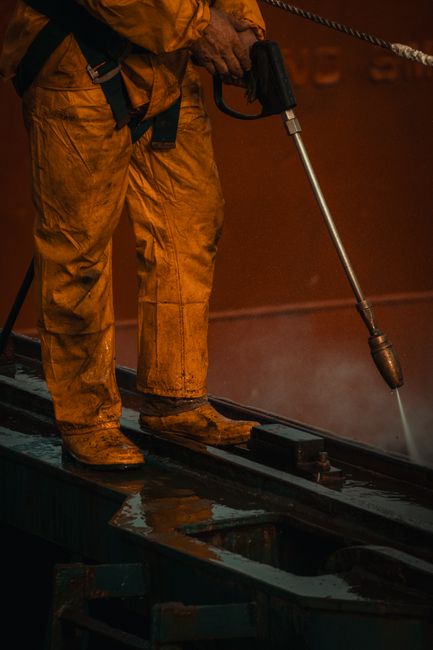
Kingston Council Permits for Pressure Washing Properties: What Homeowners and Landlords Need to Know
If you are planning to clean a driveway, patio, wall, or commercial forecourt, the question is rarely just about pressure and detergent. In Kingston, the real issue is whether Kingston Council permits for pressure washing properties apply to your job, and what you need to do before you start. That matters because the wrong setup can create runoff problems, damage surfaces, or cause a nuisance to neighbours. Nobody wants a spotless patio and a messy compliance headache.
This guide explains how permissions and practical compliance usually work, what to check before booking a clean, and how to reduce the risk of issues with water drainage, waste disposal, and access. We will keep it plain-English, local, and useful. No fluff. Just the kind of advice that helps you decide whether to proceed, pause, or ask a few more questions first.
Why Kingston Council permits for pressure washing properties Matters
Pressure washing looks simple from the outside. Jet of water, cleaner surface, job done. But once you start dealing with property boundaries, drainage, environmental runoff, and shared access, it becomes a little more serious. In Kingston, permission and compliance can matter for several reasons, even when no one is trying to make life difficult.
For one thing, council concerns often arise when dirty water, silt, paint flakes, algae, or chemical residues can escape into public drains or neighbouring land. That can be especially relevant on driveways near road gullies, commercial frontages, blocks of flats, and older buildings with fragile masonry. If the water goes where it should not, the clean can become a problem very quickly.
There is also the practical side. Some properties need access arrangements, resident notice, parking controls, or a plan for working safely around pedestrians. A homeowner may not need a formal permit for a small private patio clean, while a business operating on a frontage, pavement edge, or communal area may need more caution. Truth be told, most issues happen because people assume "it is only cleaning" and forget that water is moving across real surfaces into real drains.
That is why the topic matters. Not just because of rules, but because good pressure washing protects the property, respects the neighbours, and avoids the classic late-afternoon surprise: the surface is clean, but the route to that result has caused a nuisance. And yes, that gets expensive in the wrong circumstances.
In our experience, the most successful jobs are the ones planned before the machine is even unpacked. A few minutes of checking can save a lot of awkwardness later. That applies whether you are managing a family home, a rental property, or a small commercial site.
How Kingston Council permits for pressure washing properties Works
There is no single one-size-fits-all answer, because "permit" can mean different things depending on the site and the work involved. For some jobs, the issue is not a formal council permit at all, but whether the work creates a need to control runoff, notify neighbours, protect public areas, or manage waste water responsibly. For other situations, you may be dealing with access, parking, skip placement, or works near public land, all of which can change the picture.
So how does it usually work in practice? First, look at the type of property and where the cleaning will happen. A private rear patio with no drainage issue is very different from a shopfront, a communal walkway, or a driveway that slopes straight toward the road. If the work touches a public highway, footpath, or shared area, the risk level rises and so does the need to check what is allowed.
Second, consider what is being used. Water only? Biodegradable detergent? A rotary surface cleaner? Hot water? The more chemicals or waste water involved, the more careful you need to be. A lot of people forget that the cleaning method can be just as important as the location. That is one of those small details that can make a job smooth or messy, depending on how you handle it.
Third, think about disposal. Dirty water should not just run into a street gully or onto a neighbour's land. If the job creates a slurry of algae, grime, or oil residue, that needs proper control. A professional cleaner will usually plan the direction of flow, use containment where needed, and avoid washing contaminants where they can spread.
Finally, there may be separate considerations around noise and timing. Early-morning work on a quiet street is not the same as a mid-morning clean on a busy estate. Small thing? Not really. These are the details that shape whether a clean feels considerate or careless.
If you are unsure where the line sits, a cautious approach is best. Treat the work as if it might need permission or a method statement, then scale back once you know it does not. That is much safer than assuming everything is fine.
Key Benefits and Practical Advantages
Getting the permissions question right is not just about staying on the safe side. It also makes the actual clean better. A compliant job is usually a better-planned job, and a better-planned job tends to look cleaner, last longer, and cause fewer surprises.
- Less risk of drainage problems - runoff is controlled instead of left to chance.
- Better neighbour relations - people are less likely to complain when the work is tidy and well managed.
- Lower chance of surface damage - careful planning helps avoid stripping pointing, paint, or sealants.
- Cleaner final result - the right method removes dirt without pushing it into cracks or joints.
- More confidence for landlords and managers - especially where tenant expectations, inspections, or handovers are involved.
There is another benefit that is easy to overlook: clear planning helps you choose the right service. For example, some outdoor areas respond better to patio cleaning, while delicate facades may be better suited to controlled facade cleaning rather than aggressive high-pressure treatment. A matching method matters more than simply blasting away at dirt.
For commercial properties, the advantage is even more obvious. A retail entrance or office forecourt can influence first impressions in seconds. If the frontage looks cared for, the whole building feels more professional. If water is left pooling by the entrance, not so much.
And then there is peace of mind. Let's face it, most people would rather spend their Saturday enjoying the result than wondering whether they should have asked one more question before starting.
Who This Is For and When It Makes Sense
This topic is relevant to a surprisingly wide group of people. If any of the situations below sound familiar, the permits and permissions side is worth checking before you book a pressure wash.
- Homeowners with driveways, patios, garden paths, or rendered walls.
- Landlords preparing a property for viewings, inventory checks, or end-of-tenancy turnover.
- Letting agents dealing with shared access or multiple stakeholders.
- Commercial property managers responsible for entrances, loading bays, or public-facing walkways.
- Block managers and freeholders overseeing communal areas.
- Builders or decorators dealing with post-project grime, dust, or residue.
It also makes sense when the surface is visibly slippery, stained, or weathered. Algae on a shaded patio, black marks on paving, dust from building works, and traffic grime near a busy road all build up differently. A quick rinse is rarely enough. On the other hand, some surfaces are too fragile for rough treatment and need a gentler approach.
If you manage a rental or commercial site, the timing matters too. Pressure washing often works best when it is tied to another job. For example, after a deep internal clean, or before a turnover service such as end of tenancy cleaning or office cleaning, it can lift the whole presentation of the property in one go.
And yes, it is worth thinking about the season. A damp November afternoon and a bright spring morning are not the same job environment at all. The ground dries differently, the light shows residue differently, and the cleanup afterwards can be more awkward when the weather has a mind of its own.
Step-by-Step Guidance
If you want to handle this properly, use a simple sequence. It keeps the job controlled and makes it much easier to decide whether any council-related permission or caution is needed.
- Identify the surface and location. Is it private, shared, or near a public area? A private rear patio is one thing. A front path by the pavement is another.
- Check drainage and runoff. Look at where dirty water will travel. If it can reach a road gully, neighbour's land, or communal drain, slow down and plan containment.
- Decide whether chemicals are needed. Sometimes water alone is enough. Sometimes a detergent or specialist treatment is used. The more product involved, the more careful the planning should be.
- Review access and timing. Will you need parking space, shared access, or notice to residents? If so, sort that early.
- Assess surface sensitivity. Soft stone, old brick, worn sealants, and painted finishes can all react differently to pressure.
- Choose the method. A controlled clean, soft wash, or low-pressure rinse may be more appropriate than high pressure.
- Document anything unusual. If there is oil contamination, fragile masonry, or a shared drainage concern, note it before the work starts.
- Carry out a small test patch. This is one of those boring steps that saves the day. A test patch can show if the surface will streak, etch, or lift.
- Finish with a proper rinse and inspection. Check edges, corners, gullies, and splash zones. Dirt loves to hide in the awkward bits.
If the job involves a building envelope, stepped access, or an older facade, consider whether the work is really pressure washing at all, or whether a more controlled exterior clean is safer. A lot of property damage starts with enthusiasm and ends with a call to a repair specialist. Nobody needs that drama.
For stubborn marks around exterior stonework, a careful method paired with stain removal may be more appropriate than raw pressure. The best result is the one that gets the job done without shouting at the material.
Expert Tips for Better Results
Here is where small professional habits make a real difference.
- Work with the surface, not against it. Follow the grain, joint lines, or natural fall of the area.
- Use the lowest effective pressure. More pressure is not automatically better. Sometimes it just means more risk.
- Protect edges and joints. Mortar, pointing, and sealants can be vulnerable, especially on older homes.
- Start with the dirtiest edge and move outward. This keeps the clean consistent and avoids re-soiling already cleaned sections.
- Plan for drying time. Slippery paving after a wash is no joke, especially near doorways and steps.
- Use containment where needed. Silt socks, absorbent barriers, or simple redirection can prevent a lot of mess.
One small but useful tip: watch the reflection on the surface. A damp slab can look clean at first glance, then show streaks as it dries. That little sheen is often the moment you notice whether the rinse was actually thorough. Slightly annoying, yes, but useful.
For businesses or managed properties, it is worth coordinating exterior cleaning with other services such as commercial cleaning or communal area cleaning. That way the whole site feels consistent, not half-finished. We all notice that sort of thing, even if we pretend not to.
Common Mistakes to Avoid
A lot of pressure washing problems come from a short list of avoidable mistakes. None of them are dramatic on their own. Together, they can ruin a good job.
- Assuming no permission is needed. If the work touches shared space, public drainage, or a managed estate, check first.
- Using too much pressure. This can scar stone, blow mortar, and strip protective finishes.
- Ignoring runoff. Dirty water going into the wrong place is one of the quickest ways to create complaints.
- Skipping the test patch. A tiny trial area can save a whole wall or patio.
- Cleaning in bad weather or poor light. You miss detail, and the surface can dry unevenly.
- Forgetting neighbours and passers-by. Overspray, noise, and blocked access all matter more than people expect.
Another common issue is trying to treat every surface the same way. A block-paved driveway, a sandstone patio, a painted wall, and a rendered exterior all need different handling. Same machine, different judgment. That judgment is the part people often pay for, not just the nozzle.
If a property has delicate interiors near the cleaned area, it can be sensible to line up the work with a broader refresh such as house cleaning or deep cleaning. It sounds obvious once said, but a clean exterior next to a tired interior can still leave the overall impression a bit off.
Tools, Resources and Recommendations
You do not need a warehouse of equipment to do a sensible pressure wash, but you do need the right kit for the surface and the scale of the job.
- Pressure washer with adjustable settings so the force can be reduced where needed.
- Surface cleaner attachment for flat areas like paving and driveways.
- Soft wash equipment for more delicate materials.
- Protective barriers or runoff control aids when water needs redirecting.
- Brushes and rinsing tools for edges, joints, and stubborn marks.
- Appropriate footwear and safety gear because wet paving can be surprisingly slick.
There are also a few practical service pages on the Kingston Carpet Cleaners site that may help you decide what kind of clean you actually need. For outdoor work, patio cleaning is the obvious place to start. If your property includes exterior masonry or cladding, facade cleaning may be a better fit than a general wash-down.
For the wider property, some jobs work best when bundled. A driveway refresh before moving day, or an external clean alongside move out cleaning, can be a neat way to present a property properly. And if the job is being arranged by a landlord or business, the pricing side should be reviewed early rather than left to the last minute. The page on pricing and quotes is a sensible place to start that conversation.
Law, Compliance, Standards, or Best Practice
This section needs a careful tone, because the exact requirement can vary by property type and by the nature of the work. The safest general advice is this: if pressure washing creates runoff, affects shared land, touches a public area, or involves more than straightforward private cleaning, treat compliance as part of the job, not an afterthought.
In UK practice, there is usually a strong expectation that water, debris, and cleaning agents are managed responsibly. That means not sending contaminated water into places where it could affect drains, pavements, or neighbouring property. It also means taking reasonable care to avoid nuisance, damage, or unsafe conditions. Sounds basic, but basic is often where the problems start.
For managed buildings or businesses, best practice usually includes a simple assessment before work begins. That assessment may look at access, slip risk, the likely direction of runoff, and whether any warning signage or temporary barriers are needed. If the area is communal, a manager or representative should ideally know what is happening and when.
For some jobs, other service standards are relevant too. Soft surfaces and interior materials require a different level of care than exterior stone or paving. That is why services like hard floor cleaning and window cleaning are often planned differently from pressure washing, even though they all contribute to the same overall presentation.
One more point worth mentioning: if your property has a history of drainage issues, leaks, or damp, do not treat pressure washing as a harmless quick fix. It can reveal faults that were already there, or make them more noticeable. Better to know before the water starts running than after everyone has gone quiet and started pointing at the same patch of wall.
Options, Methods, or Comparison Table
Not every exterior clean needs the same approach. Choosing the right method is often more important than choosing the most powerful machine. Here is a simple comparison to help.
| Method | Best for | Main advantage | Main risk |
|---|---|---|---|
| High-pressure washing | Durable paving, concrete, some driveways | Fast removal of heavy grime | Can damage delicate surfaces if overused |
| Low-pressure cleaning | More sensitive exterior materials | Gentler on surfaces | May need more time or repeat passes |
| Soft washing | Render, painted surfaces, delicate facades | Reduces abrasion and surface wear | Requires careful product control |
| Manual scrub and rinse | Small areas, detail work, awkward corners | Very controlled | Slower and more labour-intensive |
If you are dealing with an exterior surface that borders a living space, shared entrance, or decorative finish, the gentler option is often the smarter one. The goal is not just to remove dirt. It is to keep the property looking better next week, too.
For indoor or semi-protected areas that are being refreshed alongside outdoor work, a service like one off cleaning can complement the job neatly. It is all about matching method to context, not just chasing the strongest possible clean.
Case Study or Real-World Example
Here is a realistic example from the kind of job people often ask about, without dressing it up.
A landlord in Kingston is preparing a mid-terrace rental property for new tenants. The rear patio has algae build-up, the front path has winter staining, and the driveway edge sits close to the road. The first instinct is to book a heavy pressure wash and get everything done in one go. Reasonable, but a bit too quick.
Instead, the cleaner checks drainage, notices that the front drive slopes toward a gully, and identifies a fragile section of pointing near the wall. The work is split into sections. The patio is treated with a controlled wash. The front path is cleaned with extra runoff control. The wall edge is handled gently rather than aggressively. The landlord also times the work to avoid residents coming and going during the busiest part of the morning.
The result is not just a cleaner property. It is a calmer one. No complaints from neighbours, no mess washed into the wrong place, and no damaged masonry to repair afterwards. That is a win all day long.
A similar approach works for commercial sites. A shopfront, office entrance, or communal walkway can be transformed when the pressure washing is aligned with broader care such as commercial carpet cleaning or regular cleaning. Consistency counts. It always has.
Practical Checklist
Use this before you begin or before you approve a contractor. It is simple, but it covers the parts people usually forget.
- Confirm whether the area is private, communal, or near public land.
- Check where runoff will travel.
- Decide if any detergent or treatment will be used.
- Look for fragile pointing, paint, render, or stone.
- Arrange access, parking, and any required notices.
- Ask whether a test patch will be carried out.
- Make sure slip risk is managed during and after the clean.
- Plan the job so that neighbours and passers-by are not caught out.
- Keep the method gentle enough for the surface.
- Review whether the work should be paired with another cleaning service.
If a job feels borderline, that is usually the signal to slow down and ask more questions. Nothing glamorous about it, but it works.
Get a free quote today and see how much you can save.
Conclusion
Pressure washing can do a lot of good for a Kingston property, from improving kerb appeal to reducing slippery growth and lifting stubborn dirt. But the best results come when you treat the work as more than a splash-and-go task. Understanding when Kingston Council permits for pressure washing properties may apply, and how to manage runoff, access, and surface safety, is part of doing the job properly.
That does not mean every clean is complicated. It just means the sensible ones are planned. Check the surface, think about the water, respect the space around the property, and choose the right method for the material in front of you. Simple, really. Well, simple once you have thought it through.
If you take one thing from this guide, let it be this: a careful exterior clean is usually faster, safer, and better-looking in the long run than a rushed one. And that is worth doing properly.
Frequently Asked Questions
Do I need Kingston Council permission to pressure wash my private patio?
Often, a straightforward private patio clean will not need formal permission, but it still needs to be managed responsibly. The key question is where the water and debris go. If runoff could affect public drains, a neighbour's property, or a shared area, you should check before starting.
When does pressure washing become a council issue?
It becomes more relevant when the work touches public land, communal spaces, roads, pavements, or drainage systems that could be affected by dirty water. Commercial frontages and shared residential areas are the situations most likely to need extra caution.
Can pressure washing damage brickwork or paving?
Yes, it can. Too much pressure may damage pointing, strip coatings, or etch softer stone. That is why a test patch and the right pressure setting matter so much. A gentler method is often the better choice for older or more delicate surfaces.
What should I do about dirty water runoff?
Plan it before the work begins. Dirty water should not simply run into the street, a road gully, or a neighbour's boundary. Use containment, adjust the direction of flow, and choose a method that reduces the amount of contaminated water created in the first place.
Is soft washing better than pressure washing?
Not always better, just different. Soft washing is often more suitable for render, painted finishes, and other delicate surfaces. Pressure washing is better for tougher areas like some paving and concrete. The right choice depends on the material and the level of contamination.
Do landlords need to think about permits for exterior cleaning?
Yes, especially if the work affects access, communal land, or tenant safety. Landlords also need to consider timing, slip risk, and whether the clean forms part of a wider property handover. It is one of those tasks that seems minor until it suddenly is not.
Can pressure washing be done on a commercial property in Kingston?
Yes, but commercial sites usually require more planning. You may need to think about public access, opening hours, noise, signage, and runoff control. A shopfront or office entrance deserves a method that keeps the business looking open, tidy, and professional.
How do I know if my surface is too delicate for high pressure?
If the surface is old, porous, painted, rendered, or already showing signs of wear, be cautious. A test patch will usually reveal whether the material can handle direct pressure. If in doubt, use a gentler method or ask for a professional assessment.
What is the best time of year to pressure wash a property?
Spring and early summer are often popular because surfaces dry faster and the weather is more predictable. That said, the right time depends on the property's condition. If algae is making a path slippery in winter, waiting months is not always sensible.
Should pressure washing be combined with other cleaning work?
It often makes sense, yes. Exterior cleaning pairs well with services like patio refreshes, facade cleaning, or broader property cleans. For internal work, services such as house cleaning, deep cleaning, or end of tenancy cleaning can create a much more complete result.
How do I choose a contractor for this kind of work?
Look for someone who asks about drainage, surface type, access, and runoff before talking price. That usually tells you a lot. A good contractor will be interested in protecting the property, not just getting the machine running as fast as possible.
What if I am still unsure whether Kingston Council permits apply?
If the property is simple and private, the risk may be low. If the work touches public or shared spaces, it is worth pausing and checking the details first. A careful conversation now is much easier than a complaint, repair, or clean-up later.